Secrets of Me-mel: A Practical Heritage Journey Across Goat Island
Sep 16
Unlocking Sydney Harbour’s Most Layered Waterfront Gem
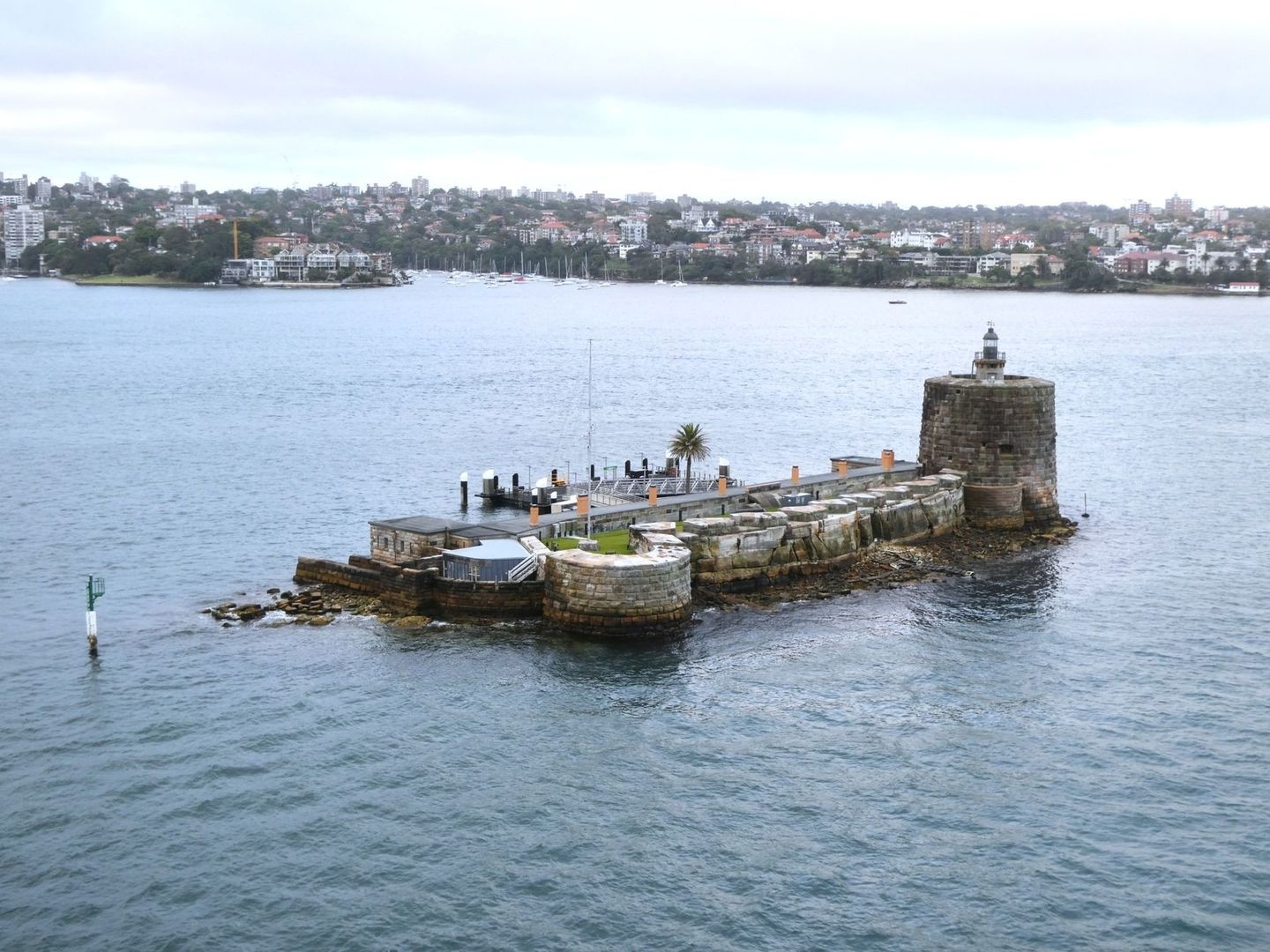
Seen from the water, Me-mel, formerly known as Goat Island, appears almost deceptively compact. The 5.4-hectare sandstone island sits near the entrance to Darling Harbour, anchored between Balmain, Barangaroo and the busy harbour approaches. Its cliffs, seawalls and historic buildings are easy to spot from a ferry or charter, yet access is tightly controlled. This is not a place for an unplanned landing or a casual walk ashore. For visitors considering guided Me-mel heritage visits, preparation is part of the experience.
Me-mel carries two identities that cannot be separated. It is living Gadigal Country, connected to the wider Eora cultural landscape and to stories reaching back thousands of years. It is also a remarkably concentrated record of colonial Sydney, shaped by convict labour, gunpowder storage, harbour policing, firefighting and shipbuilding. The most rewarding way to approach the island is therefore not as an abandoned ruin, but as a layered waterfront place whose meaning continues to develop. With the right timing, transport plan and cultural respect, Me-mel offers a deeper harbour experience than a standard sightseeing loop.
Gadigal Custodianship and the Meaning of the Harbour Eye
The name Me-mel is traditionally translated as “the eye”, an apt description for an island occupying a commanding position in Port Jackson. From its rocky rise, the harbour opens in several directions, while from the surrounding water its sandstone profile acts as a visual marker between the western reaches and the central harbour. The name reflects more than geography. Me-mel belongs to a cultural landscape in which waterways, shorelines, islands and headlands are interconnected rather than treated as separate tourist attractions.
The island is associated with the Gadigal people of the Eora Nation and with the long Aboriginal history of Sydney Harbour. Sources describe human connection to the wider region extending for more than 10,000 years, while archaeological evidence around nearby Barangaroo points to thousands of years of occupation. Me-mel is also linked in cultural accounts with Bennelong and Barangaroo, whose lives were closely tied to the harbour during the early colonial period. Barangaroo, a powerful Cammeraygal woman, is remembered as an important figure in Aboriginal community life, and the nearby reserve carrying her name provides useful context for understanding the continuing cultural presence around these waters.
One creation account, the Boora Bira story, identifies Me-mel with a great eel spirit associated with the making of Sydney Harbour. Such stories are not simply decorative background for a heritage tour. They establish a relationship with Country that predates the arrival of colonial institutions and remains relevant today. Visitors should allow that perspective to guide their behaviour: photographs, sightseeing and curiosity are appropriate only when they do not overwhelm the cultural significance of the place.
The proposed handback of Me-mel is an important part of its current story. The Me-Mel Transfer Committee, appointed in 2022 and led by a majority of Aboriginal members, is working through questions of ownership, governance, conservation, visitor access and future cultural management. Its work includes heritage research, sustainable financial planning, employment and training opportunities, and ways to involve people with cultural connections to the island. For the latest information, consult official Me-Mel transfer updates and the NSW National Parks management information.
- Me-mel is part of living Gadigal Country, not merely a colonial heritage site.
- Its cultural associations connect it with Bennelong, Barangaroo and wider Eora history.
- The transfer process may change how the island is governed and experienced in future.
- Current visitors should follow the access arrangements set by National Parks and authorised tour operators.
Convicts, Gunpowder, and Industrial Maritime Shipyards
Colonial development left an imposing physical imprint on Me-mel. In the 1830s, convict work gangs quarried the island”s own sandstone and used it to construct barracks, kitchens, a cooperage, a blacksmith”s shop, walls, a wharf and sentry facilities. The most prominent surviving structure is the Queen”s Magazine, built to store explosives. Its thick sandstone walls and carefully controlled openings reflect the risks associated with keeping gunpowder close to a growing port and naval settlement.
Gunpowder storage expanded significantly over the following decades, reportedly exceeding 7,000 barrels by 1861. The island”s position was practical: isolated enough to reduce risk to the mainland, yet close to the harbour routes that supported Sydney”s military and commercial life. The surviving buildings should be read alongside the labour that created them. Convict quarrying was physically demanding and often harsh, and the neat architectural remains can obscure the human cost behind their construction.
Me-mel later became part of the machinery of a modernising harbour. After the bubonic plague outbreak of 1900, the Sydney Harbour Trust was established in 1901, with the island serving as a headquarters and operational base. Water police, harbour vessels, flotsam disposal teams and firefighting services all used the site. The island subsequently developed shipbuilding and repair functions, including facilities associated with Maritime Services Board firefighters and their families. By the late twentieth century, its industrial role had declined, although ship repair and refit activity continued in some form.
| Historical era | Enduring physical or cultural footprint |
|---|---|
| Gadigal and Eora history | Me-mel”s identity as Country, a harbour landmark and a place of cultural connection |
| 1830s convict construction | Sandstone quarrying, barracks, kitchen, cooperage, walls and other service buildings |
| Gunpowder storage period | The Queen”s Magazine and associated safety infrastructure |
| Early twentieth century | Sydney Harbour Trust administration, water police and harbour operations |
| Industrial maritime period | Fire brigade facilities, shipbuilding, vessel repair and working waterfront infrastructure |
| Modern conservation period | Heritage assessment, remediation works, controlled tours and planning for Aboriginal ownership |
The island”s heritage significance is formally recognised in the NSW State Heritage Register. The Goat Island Conservation Management Plan considers not only individual buildings but also the broader cultural landscape, sandstone topography and relationship with the surrounding harbour. That approach matters because Me-mel cannot be understood by inspecting one magazine or barracks alone. Its meaning lies in the interaction between Country, industry, labour, military planning and the working harbour beyond its walls.
Practical Logistics for Visiting Me-mel Today
Me-mel is not open for unrestricted public access. Spontaneous drop-ins, private moorings and independent shore landings are strictly controlled, both to protect heritage fabric and to manage safety around working maritime areas. Conditions can also change because of conservation works, weather, fire danger or operational requirements. Treat the island like a protected heritage site with a live harbour environment, not like a conventional public park.
Most visitors experience Me-mel through an authorised guided heritage tour or a specifically scheduled National Parks activity. Departure arrangements may involve Circular Quay, Barangaroo or King Street Wharf, depending on the operator and the itinerary. Confirm the exact wharf, check-in time and vessel details before leaving accommodation. A harbour transfer can be affected by swell, wind, traffic restrictions, event crowds and wharf changes, so arriving early is sensible, particularly for visitors connecting from trains, ferries or interstate flights.
Tour operators may provide a structured landing, an interpretive walk and access to selected historic buildings, but the precise route should never be assumed. Some areas may remain closed while remediation and conservation works continue. Wear sturdy, enclosed footwear with reliable grip, as sandstone surfaces, steps and industrial areas can be uneven. Bring sun protection, drinking water and weatherproof layers. Even on a bright Sydney morning, wind across the island can make conditions feel cooler than on the mainland.
- Book through NSW National Parks or an authorised tour partner, and read the current access conditions before departure.
- Confirm the meeting point, check-in deadline, vessel type, return time and any luggage restrictions.
- Wear enclosed non-slip shoes and carry water, sunscreen, a hat and a light layer for changing harbour weather.
- Stay with the guide, obey barriers and avoid touching sandstone, machinery, walls or fragile archaeological material.
- Ask before taking photographs of sensitive areas, and follow any cultural guidance provided by Aboriginal guides or site staff.
Accessibility also deserves advance discussion. Historic islands often contain steep grades, narrow passages, steps and surfaces that were not designed for contemporary mobility needs. Ask the operator about boarding arrangements, accessible toilets, seating, transfer assistance and the walking distance before paying for a ticket. Families should also check whether children can safely manage the route. Good planning avoids disappointment at the wharf and helps operators provide the right advice for the conditions on the day.
Vantage Points to Admire Me-mel from the Mainland and Water
For many harbour travellers, the most appropriate way to appreciate Me-mel is from a respectful distance. Balmain East offers views across the water towards the island and the dense maritime setting around Darling Harbour. Illoura Reserve provides another useful outlook, particularly when the light picks out the sandstone faces and the island”s elevated profile. Barangaroo Reserve is especially valuable because it places Me-mel within a broader Aboriginal cultural landscape rather than presenting it as an isolated curiosity.
- Balmain East: Useful for a close western perspective and for combining island views with a foreshore walk.
- Illoura Reserve: A quieter harbour-edge position where the island”s cliffs and working-waterfront context are easy to read.
- Barangaroo Reserve: A strong choice for pairing the view with Aboriginal cultural interpretation and the story of Barangaroo.
- Public ferries: Selected F3 Parramatta River and F8 Cockatoo Island services pass through nearby harbour waters, offering changing views from the deck or windows.
Ferry routes are a practical option because they provide a moving perspective without requiring a special charter. Check the current transport timetable rather than relying on an old scenic route assumption, as services, stops and vessel allocations can change. On a warm day, an outside deck can deliver the clearest view, but hold hats and loose items securely. Keep clear of crew areas, follow instructions and avoid leaning over rails for photographs.
Kayakers and private boaters should maintain a generous safety buffer and avoid approaching landing points, restricted shorelines or active work areas. Me-mel sits in a busy part of the harbour, where ferries, harbour craft, water taxis and service vessels can create blind spots and unpredictable wash. Slow down well before the island, display appropriate navigation lights when required and never treat the shoreline as an invitation to land. Ethical on-water appreciation means observing the island without adding pressure to a fragile cultural and heritage site.
Step Aboard to Experience Sydney Harbour Living Memory
Me-mel”s story cannot be reduced to one period. It is an ancestral place within Gadigal Country, a harbour landmark connected to Eora culture, a convict-built gunpowder depot and a working centre for policing, firefighting and ship repair. The sandstone structures are important, but so are the waters around them, the cultural stories that precede colonisation and the ongoing process of determining how the island should be owned and managed.
Plan deliberately: choose an authorised itinerary, confirm the wharf and weather, allow time for check-in and arrive equipped for uneven outdoor conditions. Once on the water, let the island”s layers come into focus slowly. A respectful visit does not demand unrestricted access or a dramatic landing. It depends on listening, following cultural and conservation guidance, and recognising that Me-mel is living memory within Sydney Harbour. For visitors seeking a meaningful maritime experience, that careful approach is the surest way to see the island clearly.